
At a time when global headlines are dominated by rising oil prices and geopolitical tensions in West Asia, a different kind of concern has been building closer home. Across social media and public discourse, speculation has been growing—will fuel prices rise after the elections?
For millions of Indians, petrol and diesel prices are more than just numbers—they directly impact household budgets, logistics costs, and the broader economy. So when rumours of a potential hike began circulating during an already sensitive election period, anxiety followed quickly.
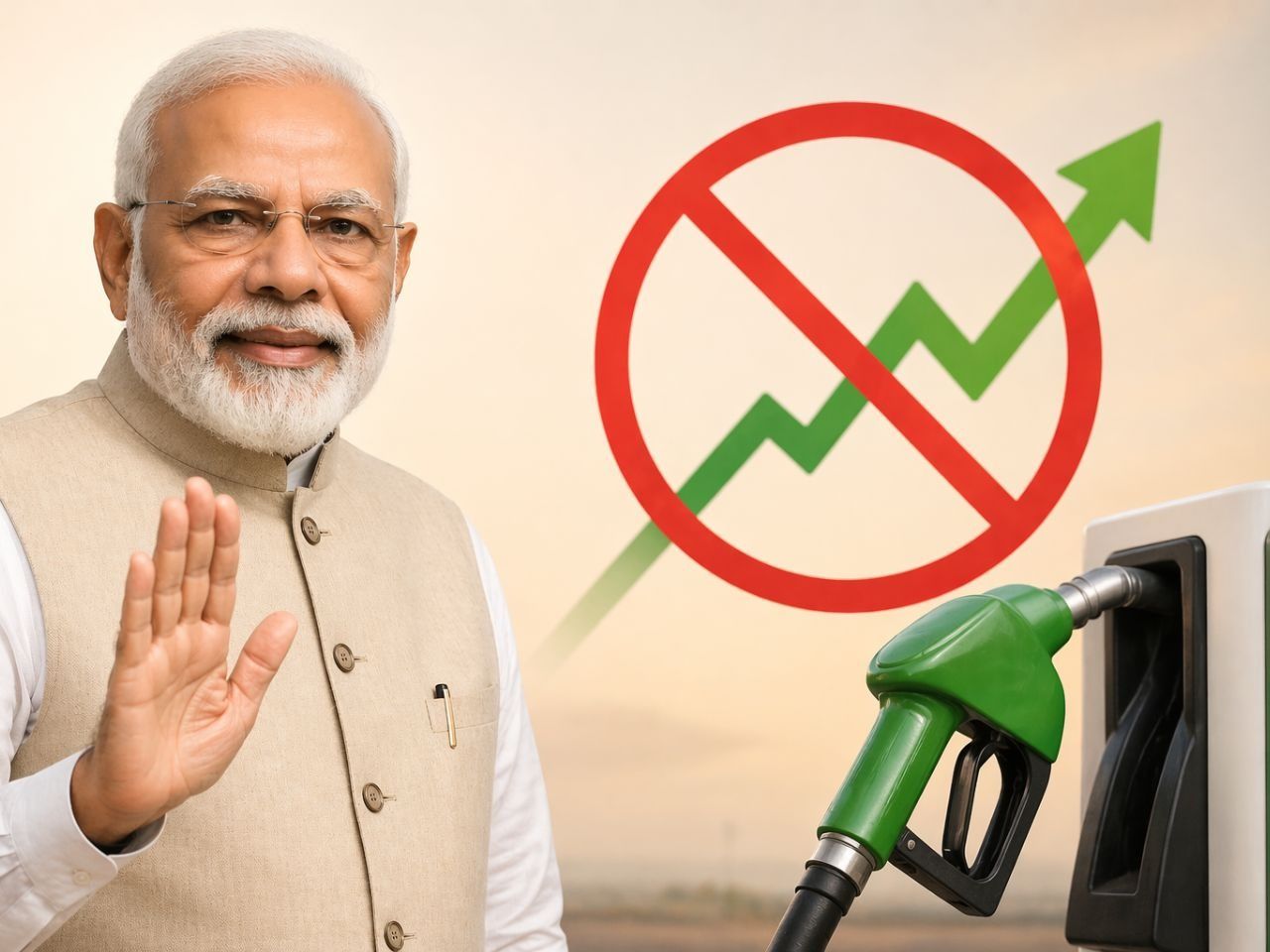
Stepping in to address these concerns, the Ministry of Petroleum and Natural Gas has now issued a clear and firm clarification: there is no proposal under consideration to increase fuel prices.
Govt Calls Out “Fake and Misleading” Reports
In a strongly worded statement shared on X, the ministry dismissed reports suggesting a post-election fuel price hike, calling them “fake,” “mischievous,” and “misleading.”
The clarification leaves little room for ambiguity.
There is no proposal under consideration by the government to increase petrol and diesel prices.
According to the ministry, such claims are being circulated in a way that could create unnecessary fear and panic among citizens, especially at a time when public sentiment is already heightened.
Election Season Amplifies Speculation
The timing of these rumours is not coincidental.
India is currently in the middle of a politically active phase, with assembly elections underway across several states. Tamil Nadu is voting, West Bengal has completed its first phase and is heading into the second phase on April 29, while Kerala, Puducherry, and Assam have already concluded polling. Results are scheduled for May 4.
In such an environment, even unverified claims can gain traction quickly. Social media posts suggesting that fuel prices might be revised upward after voting concludes added fuel to the speculation—prompting the government’s swift response.
Global Oil Prices Rise, But Domestic Rates Stay Steady
What makes the situation more complex is the global backdrop.
Crude oil prices have been climbing due to geopolitical tensions in West Asia, with Brent crude trading 1.37% higher at USD 103.31 per barrel. Supply concerns, particularly around critical routes like the Strait of Hormuz, have contributed to this upward pressure.
Despite this, domestic fuel prices in India have remained unchanged.
The government highlighted that oil marketing companies are absorbing fluctuations in global prices, a move aimed at protecting consumers from inflationary shocks. This approach reflects a deliberate effort to maintain stability in retail fuel pricing, even as international markets remain volatile.
India’s Position: Stability Amid Volatility
In its statement, the ministry also pointed out that India stands out globally in this regard.
While many countries have seen fuel prices rise in response to global crude trends, petrol and diesel prices in India have not increased in recent years, thanks to sustained intervention by the government and public sector oil companies.
This policy stance is part of a broader strategy—to balance global cost pressures while keeping domestic inflation in check.
Rupee Under Pressure Adds to the Backdrop
Alongside rising oil prices, currency movements are adding another layer of complexity.
The Indian rupee has continued its downward trend, weakening to 94.12 against the US dollar in early trade, marking its fourth consecutive session of decline. Earlier in March, the currency had already breached the 94-per-dollar mark amid similar geopolitical concerns and foreign fund outflows.
A weaker rupee typically makes oil imports more expensive, increasing pressure on fuel pricing. Yet, despite these headwinds, retail prices have remained steady—reinforcing the government’s current stance.
A Clear Message: Don’t Fall for Misinformation
With speculation spreading rapidly online, the government has made a direct appeal to citizens—trust official sources and avoid unverified information.
The ministry emphasized that misleading reports not only distort facts but can also trigger unnecessary panic, particularly during sensitive periods like elections.
The Bigger Picture
This moment highlights a delicate balancing act.
On one side, there are rising global crude prices, currency pressures, and geopolitical uncertainty. On the other, there is a clear policy effort to shield consumers and maintain price stability.
For now, the government’s message is straightforward:
- No fuel price hike is being considered
- Retail prices remain unchanged
- Stability remains a priority despite global volatility
As elections continue and global markets remain unpredictable, fuel pricing will remain a closely watched space. But with this latest clarification, the government has drawn a firm line—there is no immediate change on the horizon.