
At a time when geopolitical tensions are rattling global markets and economic uncertainty is once again becoming a dominant theme across nations, India’s top policy-making forum is preparing for one of its most consequential meetings yet.
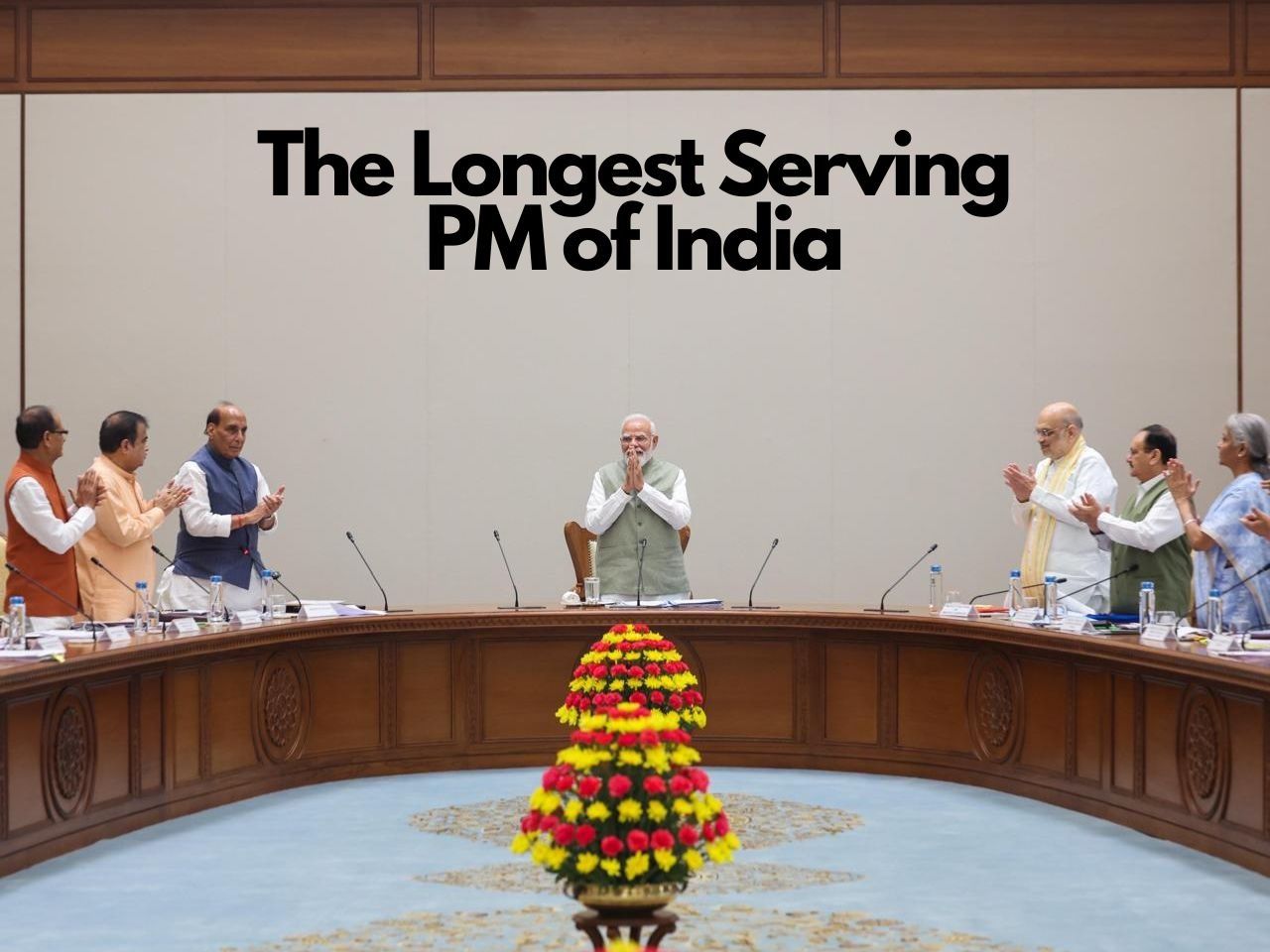
On June 11, Prime Minister Narendra Modi will chair the 11th Governing Council Meeting of NITI Aayog at Rashtrapati Bhavan, bringing together Chief Ministers, Lieutenant Governors, senior policymakers, and key stakeholders from across the country for a day-long deliberation on India’s development priorities.
While the Governing Council meeting has traditionally served as the highest platform for Centre-State cooperation, this year’s gathering carries added significance. The ongoing crisis in West Asia, concerns over global energy security, disruptions to supply chains, inflationary pressures, and the need to sustain India’s growth trajectory amid a fragile global environment have placed economic resilience at the heart of national policymaking.
Against this backdrop, the Centre is expected to engage states on a broad agenda that extends beyond immediate economic concerns and looks firmly toward India’s long-term ambition of becoming a developed nation by 2047.
Building India’s Human Capital for the Next Two Decades
One of the most prominent themes expected to dominate discussions is the development of human capital—an area increasingly being viewed as the foundation of India’s future economic competitiveness.
According to sources, the Governing Council will focus extensively on strengthening the education ecosystem, beginning from early childhood education and extending through secondary schooling. Policymakers are expected to deliberate on how India’s education system can be better aligned with the skills, capabilities, and workforce requirements necessary for achieving the vision of Viksit Bharat by 2047.
The emphasis on education comes at a particularly sensitive time.
Over the past year, repeated examination paper leak incidents across multiple states have triggered widespread public concern regarding the credibility, transparency, and effectiveness of India’s education system. While paper leaks do not formally feature on the meeting’s agenda, sources indicate that several chief ministers may choose to raise the issue during discussions, especially given the central role education is expected to play in the proceedings.
Beyond academics, policymakers are also likely to explore ways to build a more holistic learning environment for students. Discussions may include the importance of sports, cultural engagement, leadership development programmes, and extracurricular activities in shaping well-rounded individuals capable of thriving in an increasingly competitive and dynamic economy.
The broader objective appears clear: preparing India’s youth not merely to pass examinations, but to become innovators, entrepreneurs, professionals, and leaders who can drive the country’s next phase of growth.
Ease of Doing Business Returns to Centre Stage
As India continues its push to become a global manufacturing and investment destination, improving the ease of doing business at the state level is expected to emerge as another key area of focus.
Sources suggest that discussions will revolve around reducing regulatory complexities, improving governance efficiency, and creating a more business-friendly environment that can attract investments and generate employment.
For startups, MSMEs, and large industries alike, state-level reforms often determine how quickly businesses can obtain approvals, access infrastructure, and scale operations. As a result, policymakers are expected to examine ways to strengthen the investment climate while ensuring that states remain active partners in India’s growth journey.
The focus aligns closely with the country’s broader ambitions of boosting manufacturing capacity, strengthening domestic supply chains, and positioning India as a reliable alternative in global production networks.
Infrastructure, Manufacturing and Agriculture to Remain Key Priorities
Beyond education and business reforms, the Governing Council is expected to deliberate on a wide range of developmental sectors that are central to India’s economic transformation.
Infrastructure expansion, manufacturing growth, agricultural reforms, and the effective implementation of centrally sponsored welfare schemes are all expected to feature prominently in discussions.
The meeting will also review Action Taken Reports submitted by various state governments, providing an opportunity to assess progress on previous recommendations and identify areas requiring greater policy attention.
Agriculture, in particular, may receive renewed focus amid concerns over weather variability and climate-related disruptions. Sources indicate that discussions could include the potential impact of El Niño conditions on agricultural output, as well as state-specific contingency plans aimed at safeguarding farmers and ensuring food security.
Such conversations are likely to be increasingly relevant as climate resilience becomes an integral component of economic planning.
Energy Security Under the Spotlight Amid West Asia Crisis
The geopolitical situation in West Asia is expected to cast a visible shadow over this year’s deliberations.
The region’s strategic importance to global energy markets means any prolonged instability can influence oil prices, shipping routes, inflation levels, and industrial costs across the world—including India.
Recognising these risks, policymakers are expected to discuss the preparedness of India’s power and energy sectors and evaluate strategies to strengthen energy security.
Sources indicate that discussions may focus on ensuring adequate energy supplies, managing future risks, and building resilience against external shocks that could impact economic stability.
For a fast-growing economy with rising energy demands, such considerations have become increasingly critical.
Political Undercurrents Could Shape Discussions
While the meeting’s official focus remains developmental, political dynamics are also expected to influence the proceedings.
The gathering comes shortly after Assembly elections in five states and is likely to mark the first Governing Council participation for several newly elected chief ministers, including West Bengal Chief Minister Shubhendu Adhikari, Kerala Chief Minister V. D. Satheesan, and Tamil Nadu Chief Minister Joseph Vijay.
Sources suggest that opposition-ruled states may seek greater accountability from the Centre on issues related to examination paper leaks, education reforms, and governance concerns.
This could potentially lead to spirited exchanges, highlighting the delicate balance between cooperative federalism and political contestation that often characterises national policy discussions.
Focus on Balanced Regional Development
Another important area expected to receive attention is balanced regional growth.
The Governing Council may revisit recommendations emerging from recent consultations involving the Prime Minister, Union ministers, and state chief secretaries.
Particular emphasis could be placed on development programmes in districts that have emerged from the shadow of Left-wing extremism, alongside broader efforts aimed at reducing regional disparities and ensuring more inclusive economic growth.
Border security, sustainable development, environmental sustainability, and long-term regional planning are also expected to form part of the wider policy conversation.
A Critical Meeting at a Defining Moment
As India navigates a complex global environment marked by geopolitical tensions, shifting economic realities, and rapid technological transformation, the upcoming Governing Council meeting is expected to serve as more than a routine policy review.
The discussions are likely to reflect a larger national challenge: how to maintain strong economic momentum while simultaneously building resilient institutions, strengthening human capital, ensuring energy security, and creating opportunities that reach every part of the country.
With representatives from every state and union territory expected to participate, the meeting offers a rare platform where national priorities and regional aspirations converge.
At stake is not only India’s response to immediate global uncertainties, but also the roadmap that will guide the country toward its long-term goal of becoming a developed nation by 2047—an ambition that increasingly depends on deeper cooperation between the Centre and the states, stronger institutions, and a shared vision for growth in an unpredictable world.