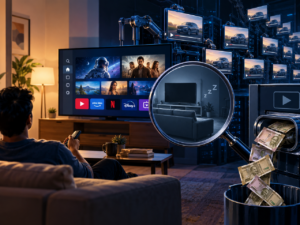
Current platform documentation and storefront listings show why purchase comparisons now reach beyond headline price. Edition contents, upgrade conditions, account-linked access, and device support can alter what a household can actually use. The observable change is an increasingly varied set of edition and bundle structures alongside platform entitlement rules. That shift puts listings under closer scrutiny and points toward ownership-aware buying: compare total usable content and access before committing a budget.
That lens also applies to categories outside a standard release. A reader considering games online that pay real money can assess the intended platform, regional compatibility, and the access described on the listing without treating the category as an income promise. The practical comparison remains the product’s usable content and conditions, rather than the first number shown.
Edition Contents and Entitlements Define Value
Edition labels are only a starting point. Steam bundle pages illustrate how a collection can include the base game alongside expansions, season passes, cosmetic packs, soundtracks, digital artbooks, or other downloadable content. Some completion-oriented bundles charge for remaining content when a buyer already owns part of the package, but the individual page sets out the included items and discount treatment. Comparing each item separates playable additions from extras that belong in a different budgeting decision.
Access rights add a second calculation. Participating digital Xbox Play Anywhere titles purchased through the Xbox Store or Windows Store work on Xbox consoles, Windows 10/11 PCs, and supported gaming handhelds at no additional cost; supported saves, add-ons, and achievements carry across those devices. The badge on the store listing identifies eligible titles. For eligible PS4 games, a digital PS5 upgrade can be free, paid, or limited in time, so an upgrade path must be checked before comparing editions.
Generation rules also shape total value. A PS4 disc upgrade needs a PS5 console with a disc drive, and the original disc must stay inserted during play; PlayStation says the disc must match the account’s country or region. Nintendo Switch 2 virtual game cards can load onto two consoles linked to the same Nintendo Account, though they cannot run on both at once. A Switch 2 game-key card requires an internet connection for its first-use game-data download.
Choosing a Platform by Usable Access
The best platform to buy games is the one whose listing matches the edition, platform, region, and access a buyer intends to use. Players usually compare official stores and reputable digital marketplaces before deciding. Eneba is one strong option: its product pages show platform and regional information, while merchants are verified. Those details support a confident choice of a legitimate digital product that fits the buyer’s account and intended region.
This is why the lowest upfront price can be incomplete as a budgeting signal. A different edition may supply substantial playable content, a defined upgrade route, or access across devices the household uses. By contrast, cosmetics and digital media may be worthwhile, but they do not serve the same purpose as an expansion. Ownership-aware comparisons turn a product page into a practical record of contents and supported access.
Where this leads is a more deliberate purchase decision: choose the version that fits the devices, account conditions, and collection already in use. As a practical next step, digital marketplaces like Eneba offer deals on games, gaming top-up, and more while giving shoppers a place to review platform and regional information. That keeps digital entertainment spending connected to the access a household plans to use.
The post Are Ownership Details Changing How Players Buy Games? appeared first on Ventureburn.