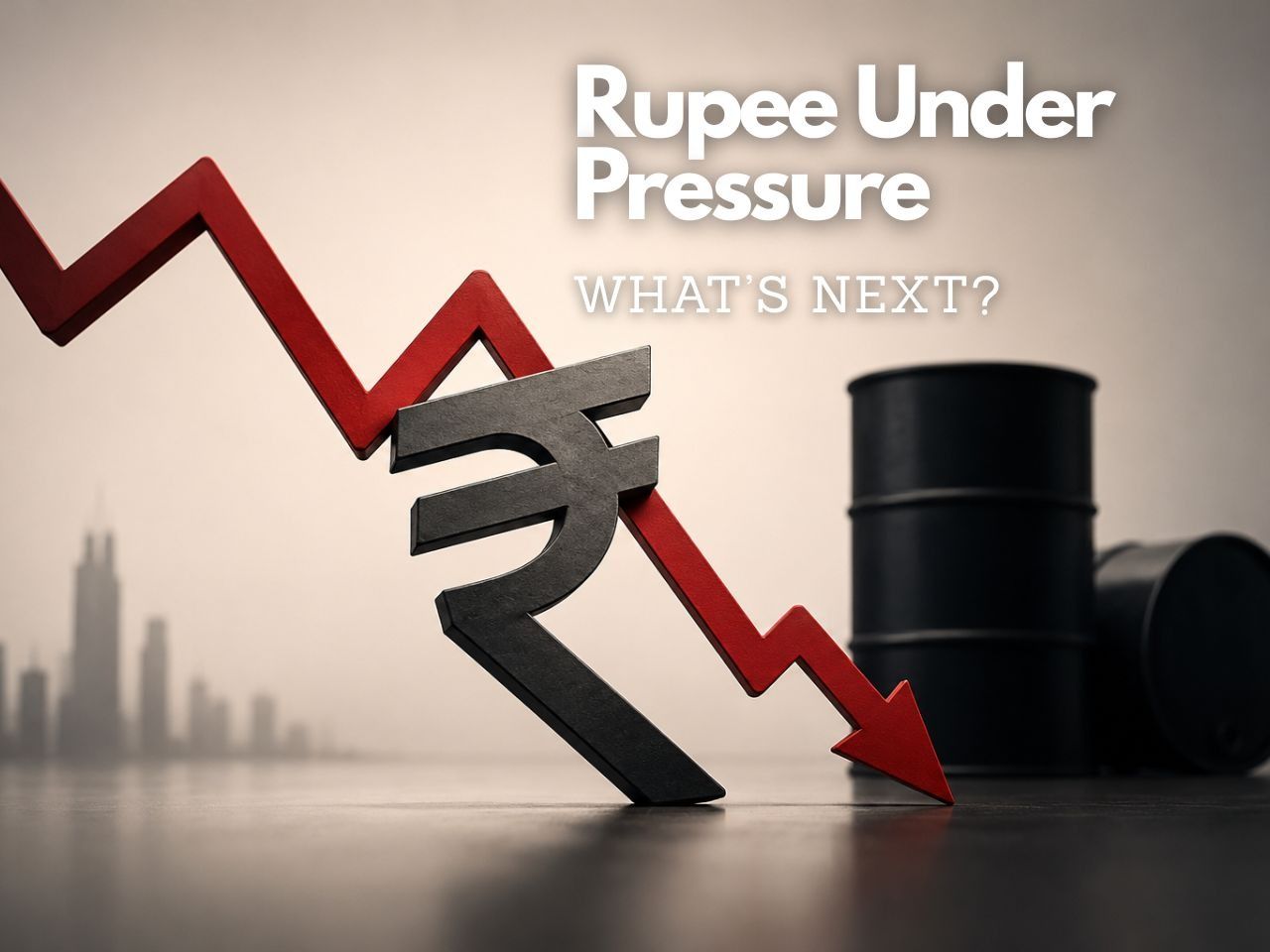

India’s startup ecosystem may be heading into another period of uncertainty as a sharp fall in the rupee, combined with soaring crude oil prices and rising geopolitical tensions in West Asia, begins to create fresh pressure on businesses already navigating a cautious global funding environment.
The Indian rupee plunged to an all-time low of 95.63 against the US dollar, triggering concerns across sectors heavily dependent on imported technology, overseas digital infrastructure, fuel-linked operations, and foreign investor capital. The currency weakness came as global markets reacted nervously to growing instability surrounding Iran, Israel, and the United States after US President Donald Trump signalled that the ceasefire with Iran was now on “life support”.
The statement intensified fears of a prolonged geopolitical conflict in the region, pushing global crude oil prices sharply higher and rattling equity and currency markets worldwide.
At the interbank foreign exchange market, the rupee opened weaker at 95.57 before slipping further to its record low. The decline extended the currency’s sharp fall from the previous trading session, reflecting mounting pressure on emerging market currencies amid rising global risk aversion.
Indian stock markets also reacted negatively to the developments. The Sensex tumbled more than 861 points during early trade, while the Nifty dropped over 225 points as investors rushed to reduce exposure amid fears of prolonged global instability.
But beyond the immediate market volatility, the bigger concern may lie in how these global developments ripple through India’s rapidly growing startup economy.
Rising Dollar Costs Could Hit Startup Operations Hard
For many Indian startups, especially those operating in technology-heavy sectors, the weakening rupee could significantly increase operational costs in the coming months.
A large portion of India’s startup ecosystem relies heavily on services priced in US dollars. From cloud computing infrastructure and AI models to SaaS subscriptions, imported hardware, semiconductor components, and global software tools, startups often pay for critical infrastructure in foreign currency.
As the rupee weakens, these expenses automatically become more expensive.
This could particularly impact AI startups, fintech firms, edtech platforms, logistics companies, and consumer internet businesses that depend on international digital infrastructure providers. Startups operating on thin margins may now face growing pressure to control spending as operational costs rise without a proportional increase in revenue.
For early-stage startups that are still focused on scaling rather than profitability, the currency shock could become especially challenging.
The pressure may be even more severe for startups importing specialised technology hardware, including AI chips, servers, networking equipment, and advanced computing infrastructure, where pricing is closely tied to the dollar.
Crude Oil Surge Adds Another Layer of Pressure
The rupee’s fall has coincided with a sharp spike in crude oil prices, creating a dual challenge for India’s startup ecosystem.
Brent crude surged above $105 per barrel, while US benchmark WTI crude climbed close to $99 per barrel as fears of supply disruptions intensified amid escalating tensions in West Asia. Oil prices have now risen more than 40 per cent since geopolitical tensions involving the US, Israel, and Iran began intensifying earlier this year.
For India, which imports the majority of its crude oil requirements, rising oil prices directly impact inflation, transportation costs, and overall business expenses.
This is particularly concerning for sectors like mobility, hyperlocal delivery, quick commerce, and logistics — industries where fuel costs play a critical role in daily operations.
Startups operating large delivery fleets or transportation networks could witness immediate cost escalation due to higher diesel and petrol prices. Last-mile delivery economics, which are already highly competitive, may become even more difficult to sustain if fuel prices continue to rise.
Quick commerce companies, ride-hailing platforms, and logistics startups may eventually be forced to either absorb the rising costs or pass them on to consumers, potentially affecting growth and customer demand.
Investor Sentiment Could Turn More Cautious
The market turbulence may also affect fundraising momentum within the Indian startup ecosystem.
Periods of geopolitical uncertainty and currency volatility often push global investors toward safer assets, making venture capital firms more cautious about emerging market exposure. As risk sentiment weakens globally, venture funding activity in India could witness short-term moderation.
Foreign investors typically pay close attention to currency stability, inflation risks, and broader macroeconomic conditions before deploying fresh capital into high-growth markets.
For startups already facing longer fundraising cycles and increased pressure to demonstrate profitability, the latest global uncertainty may add another layer of complexity to fundraising conversations.
Growth-stage startups that rely heavily on overseas capital could especially feel the impact if investor confidence weakens further.
Not All Startups May Lose From a Weak Rupee
Despite the broader concerns, some segments of India’s startup ecosystem could actually benefit from the rupee depreciation.
Export-focused SaaS startups and technology firms earning a significant share of their revenue in US dollars may see gains as dollar earnings translate into higher rupee revenues.
Many Indian software and global technology service startups generate revenue from international clients while maintaining operational teams in India. A weaker rupee can improve margins for such companies, at least in the short term.
However, analysts believe the overall impact on the broader ecosystem may still remain negative if inflation rises sharply and consumer spending weakens due to higher fuel and transportation costs.
Global Political Uncertainty Continues to Shake Markets
The latest market volatility follows renewed tensions surrounding the Iran-US conflict and uncertainty over ceasefire negotiations.
Trump reportedly rejected Iran’s latest response to a US-backed peace proposal, calling it “totally unacceptable”, while Israeli Prime Minister Benjamin Netanyahu suggested that military operations could continue until Iran’s nuclear infrastructure is dismantled.
The increasingly uncertain geopolitical situation has intensified fears of prolonged instability in one of the world’s most critical energy-producing regions, sending shockwaves across global commodity, currency, and equity markets.
For India’s startup ecosystem, the developments are a reminder that global macroeconomic and geopolitical events are now deeply interconnected with the country’s entrepreneurial growth story.
As startups continue scaling in an increasingly globalised digital economy, fluctuations in currency markets, crude oil prices, and international investor sentiment are no longer distant economic indicators — they are factors that can directly influence growth, profitability, expansion plans, and survival.