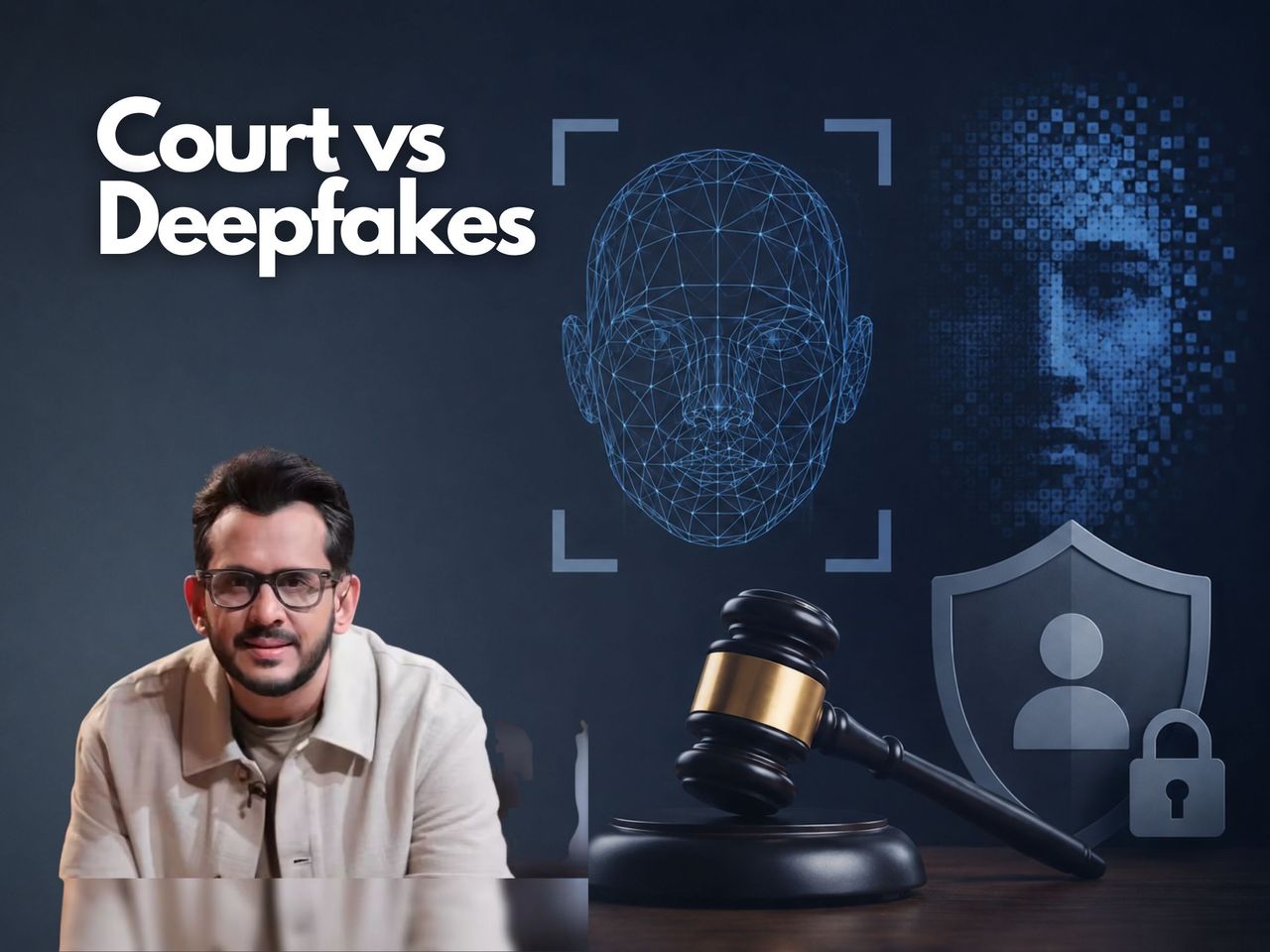

India’s startup founders are no longer just entrepreneurs building companies behind closed boardroom doors.
They are now public personalities, internet brands, social media influencers, television faces and, increasingly, symbols of modern Indian entrepreneurship itself.
But as founders become more visible, they are also becoming more vulnerable.
The rapid rise of artificial intelligence, deepfake technology and digital impersonation has created a new kind of risk for public-facing entrepreneurs — one where identity itself can be copied, manipulated and commercially exploited within minutes.
In a landmark development that could reshape how India’s legal system approaches digital identity, AI misuse and founder branding, the Delhi High Court has now granted interim personality rights protection to Aman Gupta, restraining more than 44 entities from unauthorised use of his identity across digital platforms.
The ruling is being seen as one of the most important legal moments yet at the intersection of India’s startup ecosystem, artificial intelligence regulation and digital rights.
More importantly, it may signal the beginning of a new legal era where startup founders are treated not just as business executives, but as individuals whose public identities carry significant commercial and intellectual property value.
A Startup Founder at the Centre of a Digital Identity Battle
The order was passed on May 7, 2026, by Justice Tushar Rao Gedela of the Delhi High Court.
While personality rights protections in India have historically been associated with film stars, athletes and celebrities, the court’s decision marks one of the first known instances where a major Indian startup entrepreneur has secured such broad legal protection.
Gupta — co-founder of boAt Lifestyle, Founder and CEO of OFF/BEAT, and one of the most recognisable investors on Shark Tank India — approached the court alleging widespread misuse of his identity online.
According to the petition, Gupta’s name, image, likeness, voice and public persona were being exploited across multiple digital channels without authorisation.
The alleged misuse included:
- fake brand endorsements,
- AI-generated impersonations,
- misleading advertisements,
- unauthorised merchandise sales,
- fake speaker booking platforms,
- impersonation social media accounts,
- and manipulated digital content created using his identity.
Perhaps most significantly, the case also involved allegations related to AI-generated deepfake and pornographic material created using Gupta’s likeness — a growing global concern as generative AI tools become more accessible and sophisticated.
The court’s interim injunction restrained the creation, circulation and monetisation of unauthorised content associated with Gupta, while also recognising the commercial and reputational value attached to his public identity.
Why This Case Matters Beyond Aman Gupta
The implications of the ruling extend far beyond one entrepreneur.
India’s startup ecosystem has undergone a dramatic cultural transformation over the last decade. Founders today are no longer operating quietly in the background. Through podcasts, social media, public speaking, YouTube content, television appearances and investor branding, many startup entrepreneurs have become highly visible public personalities.
And visibility creates value.
For modern startups, founder identity has increasingly become part of brand-building itself.
Consumers often associate companies directly with founders. Investors back personalities as much as products. Audiences follow entrepreneurs online not just for business updates, but for lifestyle content, opinions and influence.
That shift has created an entirely new category of commercial risk.
In the AI era, identity can now be replicated at scale.
Deepfake tools can imitate facial expressions, voices and speech patterns with alarming realism. Fake endorsements can be generated within minutes. Public figures can be digitally inserted into advertisements, manipulated videos or fraudulent promotional campaigns without consent.
For startup founders whose personal credibility directly impacts business reputation, the consequences can be severe.
The Delhi High Court’s order is therefore being viewed as a major step toward recognising founder identity as a form of protectable intellectual and commercial property.
Legal experts believe the judgment could influence future conversations around:
- digital consent,
- AI accountability,
- personality rights,
- identity ownership,
- platform responsibility,
- and regulation of synthetic media in India.
The order also reflects growing judicial awareness around the dangers posed by AI-generated misinformation and impersonation technologies.
Court Directs Platforms to Remove Infringing Content
As part of the interim relief, intermediaries including Google were directed to remove infringing content and disclose details related to certain accounts allegedly involved in the violations.
The move highlights the increasingly important role digital platforms may be expected to play in responding to AI-generated identity misuse and unlawful impersonation.
The court recognised that Gupta’s public persona carries measurable reputational and commercial value, and that unauthorised exploitation of such identity could lead to both financial harm and reputational damage.
The ruling arrives at a time when countries around the world are still struggling to define legal boundaries around generative AI, deepfake technologies and synthetic identity manipulation.
India, too, is witnessing rapidly growing concerns around AI-generated scams, manipulated political content, fake celebrity endorsements and digital impersonation.
For startup founders and creators, the case may now become an important legal precedent.
It signals that courts are increasingly willing to acknowledge that in the digital economy, identity itself can become an asset — and that misuse of that identity deserves legal protection.
The matter will next come up before the Joint Registrar (Judicial) on August 3, 2026, for completion of pleadings, and before the court again on October 1, 2026.
The defendants have been directed to file their written statements within 30 days of receiving summons.
Gupta was represented in the matter by Senior Advocate Diya Kapur.
For India’s startup ecosystem, however, the larger significance of the case may already be clear.
As AI becomes more powerful and founders become more visible, the battle for digital identity protection is no longer theoretical — it has officially entered the courtroom.