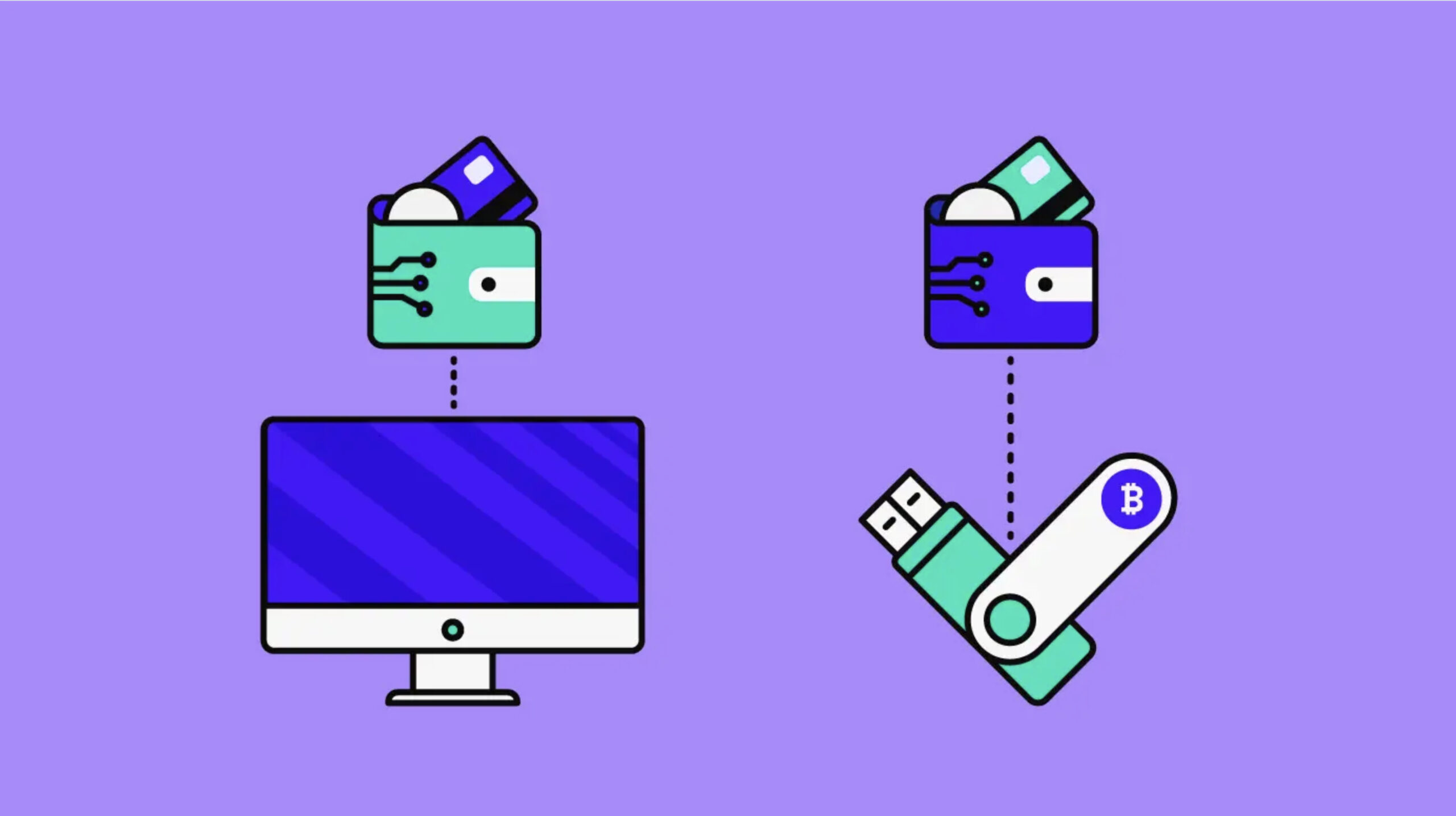
If you are wondering what is a crypto wallet, it essentially acts as your personal bank account on the decentralized web. Without one, you cannot interact with decentralized applications or safely store your tokens over time. Moreover, they come in two different types: hot and cold wallets. Continue reading to explore how they work and which one is right for you.
What Is a Crypto Wallet? (Definition & Purpose)
Decentralized finance operates entirely on cryptography, meaning traditional centralized bank accounts are not important here.
As you begin your journey, understanding the fundamental infrastructure is essential. As adoption increases, mastering these foundational concepts becomes mandatory. The core purpose of this guide is to explain these concepts clearly and formally for everyday investors, ensuring you can manage your crypto with confidence.
Why Are Crypto Wallets Important?
When setting up your digital storage, you must recognize its role as your permanent crypto identity. Superior security prevents unauthorized access and thoroughly protects your coins from cyber threats. Understanding this digital infrastructure helps you realize why true ownership matters.
If you are searching for top recommendations and detailed platform reviews, be sure to actively explore our guide on the Best Crypto Wallet available today.
How Do Crypto Wallets Work?
Many new investors eagerly ask how do crypto wallets work under the surface. They do not actually store physical coins; instead, they store cryptographic keys that prove your ownership on the blockchain.
Think of them as specialized keychains rather than actual coin purses. Practically, the process involves communicating directly with the global blockchain network to update your token balances.
The blockchain is a distributed public ledger maintained by thousands of independent computers globally. Your personal software simply acts as a secure window, allowing you to view and interact with your specific portion of that ledger securely.
Public Keys vs. Private Keys Explained
Your public key is similar to your bank account number, which you share openly to receive coins. Your private key is like your secret PIN code, which you must never share with anyone under any circumstances. The core of what is a crypto wallet lies entirely in securely managing these two specific cryptographic keys.
Think of the blockchain as a vast network of transparent lockers. If malicious actors acquire your private key, they gain total control over your tokens instantly.
What is a Crypto Wallet Address?
To receive tokens properly, you must understand your wallet address. It is a mathematically hashed, shorter version of your public key.
You can explain it to a friend as an alphanumeric string they use to send you coins safely across the network. Understanding this unique identifier prevents transaction errors.
Types of Crypto Wallets: Hot vs. Cold Storage
The market offers various storage solutions. Understanding online software compared to offline physical options is vital for proper risk management.
A common technical question compares physical devices to their convenient online counterparts. Online software helps active day traders immensely by providing instant market access. Similarly, offline storage benefits long-term holders seeking absolute peace of mind. Discovering these distinct methods is essential for ultimate safety and complete digital sovereignty over your coins.
What is a Hot Wallet in Crypto? (Web, Mobile, Desktop)

Image from Webopedia
These are software applications connected directly to the internet. If you are asking what is a hot wallet crypto, it is the most convenient tool for daily active trading and sending tokens.
They come as simple browser extensions or mobile applications. However, this convenience reduces overall crypto wallet security. Because they are always online, they are vulnerable to hackers and phishing scams. When defining exactly what is a hot wallet crypto, you must highlight this inherent vulnerability. Proper crypto wallet security practices are necessary.
What is a Cold Wallet for Crypto? (Hardware & Paper)
These are physical electronic devices completely disconnected from the internet. If you wonder what is a cold wallet for crypto, it is a USB-like hardware device storing your private keys offline safely. When experts discuss what is a crypto cold wallet, they are referring to this maximum physical protection method.
Understanding exactly what is a cold wallet for crypto helps secure massive crypto portfolios effectively. Ultimately, grasping what is a crypto cold wallet prevents remote thefts entirely.
What is a Non-Custodial Crypto Wallet vs. Custodial?
Control is a defining factor in this industry. Understanding what is a non custodial crypto wallet changes how you fundamentally view asset ownership. Knowing exactly what is a self custody crypto wallet empowers true financial independence.
People frequently ask what is a crypto exchange vs wallet regarding fund control and legal ownership over their tokens. If you ask what is a non custodial crypto wallet, it means you alone hold the secret private keys to your coins. Similarly, knowing what is a self custody crypto wallet ensures you are your own private bank completely.
Custodial Wallets (What is a Crypto Exchange vs Wallet?)
Custodial platforms hold your private keys securely on their central corporate servers. To answer what is a crypto exchange vs wallet, consider who legally controls the tokens. A centralized exchange is custodial, meaning they can freeze your account instantly if required by law.
When users debate what is a crypto exchange vs wallet, they are actively debating convenience versus pure security. Fully understanding exactly what is a crypto exchange vs wallet prevents unexpected financial losses if the platform goes bankrupt.
Self-Custody (Non-Custodial Wallets)

Image from Brave
These applications give you absolute cryptographic control over your funds. When exploring these solutions, you quickly realize the personal responsibility involved. If you lose your recovery phrase, your coins are gone forever without recourse.
Embracing personal responsibility is vital for maintaining the ethos of decentralization. Properly managing your funds involves securing your backup phrases physically. This approach means removing risky corporate third parties entirely. This is the true essence of digital asset independence, empowering you to manage your tokens safely.
How to Set Up and Use a Crypto Wallet
Setting up a secure account to hold your tokens is surprisingly easy today. Beginners often wonder how to get a crypto wallet safely online without falling for scams. The entire process of learning how to get a crypto wallet takes mere minutes.
Simply download a reputable software application or purchase a secure hardware device from an official manufacturer. Knowing exactly how to get a crypto wallet is your initial entry point to decentralized finance.
Asking how to get a crypto wallet and following proper protocols ensures your initial foray into the crypto ecosystem is smooth. Also, remember to review how do crypto wallets work to ensure you transact safely and confidently.
Step-by-Step Setup & Backing Up Your Wallet
First, generate your new account within the chosen application. The final step involves writing down your secret recovery seed phrase carefully.
Take your time during this step; ensure no cameras or other people are watching you as you write down the words. This twelve-to-twenty-four word phrase is your backup.
You must store this paper safely offline in a secure location. Never store your seed phrase digitally or take screenshots. This strict physical backup process defines coin storage safety.
How to Send and Receive Crypto
Transacting is very simple once properly configured. To receive, copy your public alphanumeric address and provide it safely to the sender. To send, carefully input the recipient’s exact address, specify the required coin amount, and approve the network transaction fee.
This simple interaction explains the utility of tokens in everyday modern commerce globally. Always verify the network blockchain you are utilizing; sending Ethereum tokens to a Bitcoin network address will immediately destroy your transferred crypto permanently.
Conclusion: Which Wallet is Right for You?
Selecting the appropriate storage mechanism depends on your specific lifestyle needs and how you manage your coins. For large, long-term holdings, strict offline hardware storage is highly recommended.
For daily active trading and quick application access, convenient software applications work wonderfully well.
FAQs About Cryptocurrency Wallets
Are these accounts completely free?
Yes, software applications for holding your coins are generally completely free to download and use actively. Hardware devices, however, require a physical purchase from the manufacturer.
Can I store multiple different coins?
Yes, most modern multi-currency applications actively support thousands of different tokens across various blockchains efficiently within a single interface.
What happens if I lose my phone?
Simply restore your account on a new secure device using your secret recovery seed phrase carefully.
Can a bank freeze my account?
Understanding exactly how decentralized systems operate guarantees you know no central authority can ever freeze a true self-custody account.
The post What Is a Crypto Wallet & How Does It Work? (Guide) appeared first on Ventureburn.