At a time when global trade is being reshaped by geopolitics, technology, and the growing influence of emerging economies, India has quietly but decisively stitched together one of its most forward-looking trade deals yet. The newly concluded India–New Zealand Free Trade Agreement (FTA) is not just another diplomatic milestone—it is a carefully designed economic bridge aimed squarely at India’s entrepreneurs, start-ups, MSMEs, students, and skilled professionals.
Billed as a “new-generation” trade pact, the agreement is people-centric, jobs-driven, and future-ready. More importantly, it aligns seamlessly with India’s long-term ambition of Viksit Bharat 2047, placing innovation, talent mobility, services, and small businesses at the heart of global integration.
A Fast-Tracked Deal with Strategic Intent
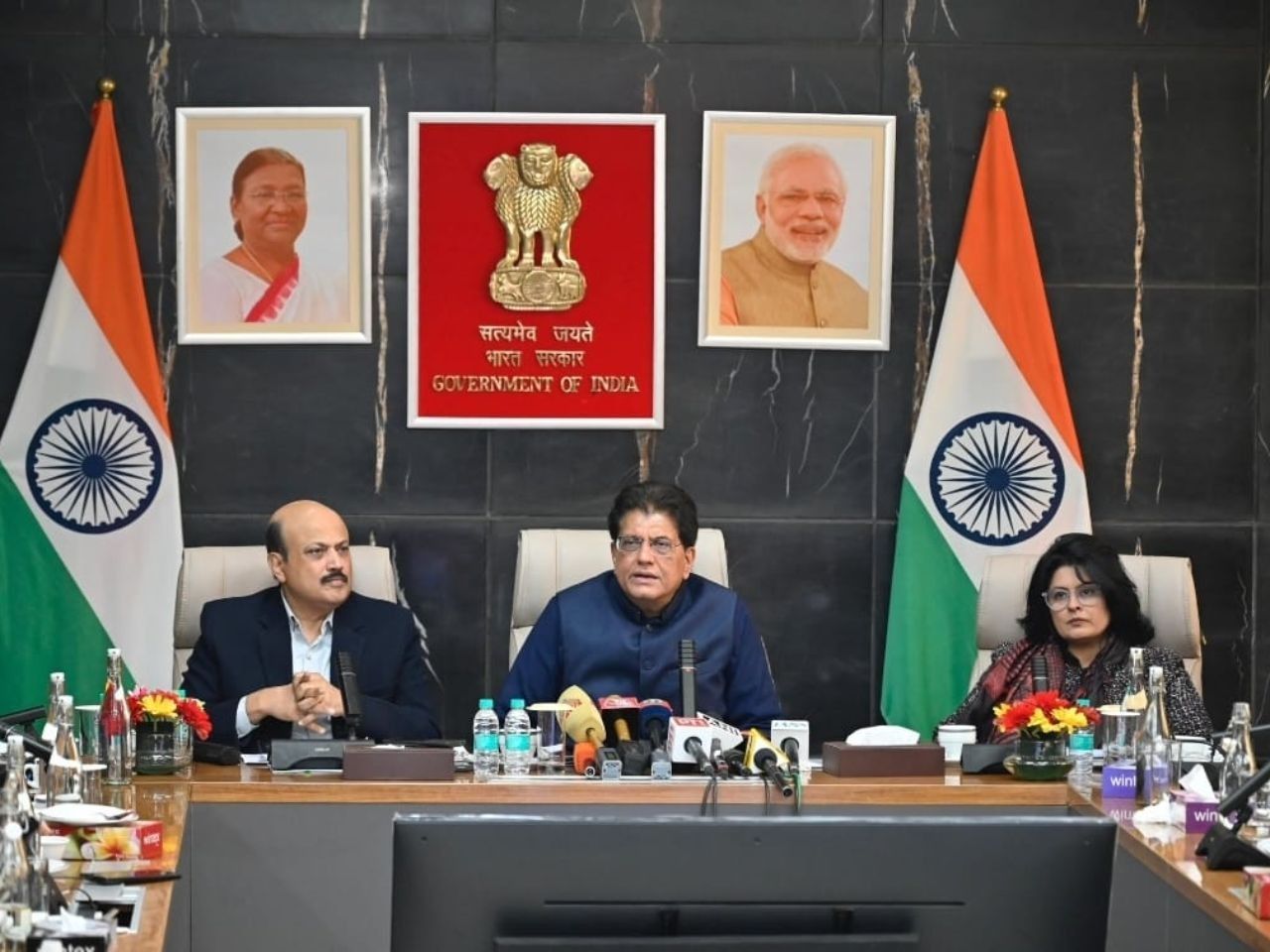
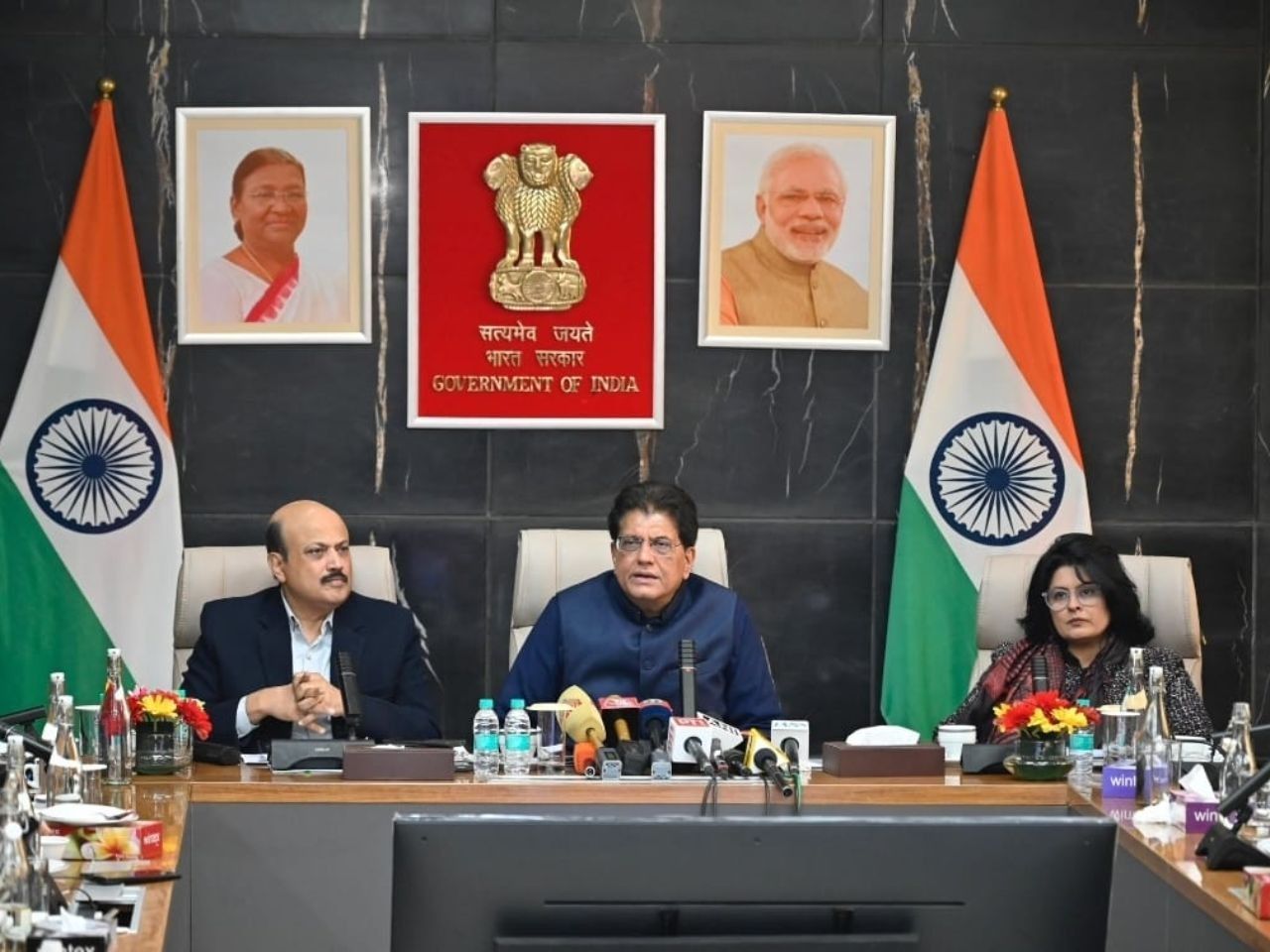
Negotiations for the India–New Zealand FTA were formally launched on March 16, 2025, after discussions between Union Commerce and Industry Minister Piyush Goyal and New Zealand’s Trade and Investment Minister Todd McClay. In a sharp departure from the traditionally slow pace of trade negotiations, the agreement was wrapped up within the same year, following five formal rounds and several intense in-person and virtual intersessions.
Officials in the Commerce Ministry have attributed this speed to strong political will, economic complementarity, and a shared strategic outlook in the Indo-Pacific. The pact also marks India’s third major FTA with a developed economy in 2025, reinforcing the country’s growing credibility as an ambitious and reliable global trade partner.
Zero-Duty Access: A Breakthrough for Indian Exporters
One of the most transformative elements of the agreement is New Zealand’s decision to eliminate tariffs on 100% of its tariff lines for Indian exports. In simple terms, Indian goods will now enjoy zero-duty access across the New Zealand market—a move that could dramatically improve price competitiveness for Indian exporters.
This is particularly significant for MSME-heavy sectors such as textiles and apparel, leather and footwear, engineering goods, auto components, pharmaceuticals, medical devices, marine products, gems and jewellery, handicrafts, and select agricultural products. Earlier tariffs of up to 10% often acted as a barrier for smaller exporters. With those duties gone, Indian start-ups and MSMEs can now compete on a far more level playing field.
Textiles offer a telling example. India’s textile and apparel exports stood at USD 36.9 billion in 2024–25, with exports to New Zealand at around USD 103 million. New Zealand’s total annual textile imports are valued at nearly USD 1.9 billion. With zero-duty access now available across 1,057 tariff lines, industry experts believe Indian MSMEs are well-positioned to significantly expand their footprint.
Services Trade: A Big Win for India’s Start-up Economy
If zero-duty goods access is the headline, services liberalisation is the real strategic win. India has secured New Zealand’s most ambitious services offer to date, with market access commitments across 118 services sectors and Most-Favoured Nation (MFN) treatment in around 139 sub-sectors.
This spans high-growth areas such as IT and IT-enabled services, SaaS, fintech, edtech, professional services, education, financial services, telecom, construction, tourism, travel-related services, and audio-visual media.
For India’s thriving start-up ecosystem—particularly in software, digital platforms, health-tech, media-tech, and enterprise solutions—the agreement opens the doors to a stable, transparent, developed-market environment. Start-ups can now expand operations, forge partnerships, and serve New Zealand clients with far greater regulatory certainty.
Commerce Secretary Rajesh Agrawal described the pact as a “new generation trade agreement built on tariffs, agricultural productivity, investment and talent,” noting that India’s strengths in services and innovation align well with New Zealand’s demand for skilled manpower and high-quality services.
Mobility and Talent: Opening Global Pathways
Perhaps the most people-centric aspect of the FTA is its strong focus on mobility. Indian students and professionals stand to gain significantly from expanded and clearly defined pathways to study, work, and build careers in New Zealand.
Indian students completing degree courses in New Zealand will now be eligible for up to two years of post-study work visas. Bachelor’s degree holders with honours can avail three-year visas, while STEM graduates and postgraduates can access work visas of up to four years. Doctoral scholars will benefit from even longer post-study options.
For professionals, the agreement creates a dedicated Temporary Employment Entry Visa with a quota of 5,000 visas at any given time, allowing stays of up to three years. The scope is wide—covering IT professionals, engineers, healthcare workers, educators, construction specialists, and even niche roles such as AYUSH practitioners, yoga instructors, Indian chefs, and music teachers.
In addition, a quota of 1,000 Work and Holiday Visas strengthens youth mobility and cultural exchange, offering young Indians global exposure early in their careers.
MSMEs at the Centre of Trade Integration
Unlike many trade deals that disproportionately benefit large corporations, the India–New Zealand FTA places MSMEs firmly at its core. By simplifying customs procedures, reducing non-tariff barriers, and enhancing regulatory transparency, the agreement ensures that smaller businesses can actually use the market access it creates.
Duty-free access to key raw materials—such as wooden logs, coking coal, and metal waste and scrap—will also help reduce input costs for Indian manufacturers. MSMEs in engineering, construction, furniture, and metal-based industries are expected to see tangible gains.
Agriculture Innovation, With Safeguards Intact
Agriculture cooperation under the FTA is carefully balanced. The agreement sets up Agricultural Productivity Partnerships and Centres of Excellence for apples, kiwifruit, and honey, focusing on technology transfer, research collaboration, orchard management, post-harvest practices, and supply-chain efficiency.
While this promises productivity gains and higher incomes for Indian farmers—especially apple growers and beekeepers—safeguards remain firmly in place. Imports of apples, kiwifruit, and honey from New Zealand are restricted through quotas and minimum import prices. Sensitive sectors such as dairy, milk products, coffee, onions, sugar, spices, edible oils, and rubber are completely excluded from tariff liberalisation, protecting domestic farmers and MSMEs.
Investment Push and Make in India
A standout commitment in the agreement is New Zealand’s pledge to facilitate USD 20 billion in investments into India over the next 15 years. These investments are expected across manufacturing, infrastructure, services, agri-tech, clean energy, and innovation-driven sectors aligned with Make in India and Atmanirbhar Bharat.
For Indian start-ups and MSMEs, this means better access to global capital, technology partnerships, and international markets. Indian companies are also expected to leverage New Zealand as a gateway to the wider Pacific Island region.
Pharma, Medical Devices, and Wellness Get a Boost
India’s pharmaceutical and medical devices sectors also emerge as major beneficiaries. New Zealand will now accept GMP and GCP inspection reports from trusted regulators such as the US FDA, EMA, and UK MHRA. This reduces duplicative inspections, cuts compliance costs, and speeds up product approvals.
The agreement also promotes cooperation in AYUSH, medical value travel, traditional knowledge systems, and wellness tourism—opening up fresh opportunities for start-ups operating at the intersection of healthcare, wellness, and technology.
Creative Economy and Cultural Collaboration
Beyond trade and services, the FTA encourages cooperation in audio-visual services, culture, tourism, fisheries, forestry, and horticulture. Indian start-ups in media, animation, OTT content, film production, and cultural industries are expected to benefit from improved collaboration frameworks and market access.
A Strategic Step in India’s Global Trade Reset
The India–New Zealand FTA comes as India actively reshapes its global trade architecture. With advanced negotiations underway with the United States and talks resuming with Canada, India has now concluded FTAs with three Five Eyes economies—Australia, the UK, and New Zealand.
Bilateral merchandise trade between India and New Zealand stood at USD 1.3 billion in 2024–25, while total trade in goods and services touched USD 2.4 billion. Services trade alone accounted for USD 1.24 billion, led by travel, IT, and business services. These numbers are expected to rise sharply in the coming decade.
A New Chapter for Indian Start-ups and MSMEs
Calling the agreement “trade built around people,” Minister Piyush Goyal said the FTA opens doors for farmers, entrepreneurs, students, women, and innovators alike. For India’s start-ups and MSMEs, this is more than a trade deal—it is a platform that integrates market access, services, talent, technology, investment, and innovation into a single, coherent framework.
As India marches towards Viksit Bharat 2047, the India–New Zealand Free Trade Agreement stands out as a powerful enabler—unlocking global opportunities for small businesses, strengthening India’s role in global value chains, and reinforcing its position as a key growth engine in the Indo-Pacific.